Category: Linux
-
What is CentOS CentOS is a reproduction of Redhat enterprise Linux(RHEL), CentOS is a stable release unlike Fedora it is a beta version of RHEL, CentOS provides regular updates and security patches like Redhat. CentOS is open source platform, so…
-
Ansible ad-hoc commands are mainly useful for one time task. for example if we want to check the whether servers are reachable, or to find kernel or os version for servers, in this section we are going to see few…

-
dnf or Dandified YUM utility used in since Fedora 18, RHEL / CentOS8, In this blog we are going to see dnf features and how to use. dnf package manager utility is used to install / remove / update package…

-
LVM is a device mapper that manages the block devices. LVM disk can be resized, expect boot volume (/boot) all other file system can be made into LVM partitions. We can dynamically allocate / de-allocate the file system with out…

-
YUM – Is Yellow Dog Update / Modifier, is a command line tool used as package manager. using yum we to install / update /remove the package. Dependencies are installed automatically from the yum repository. In this section we are…

-
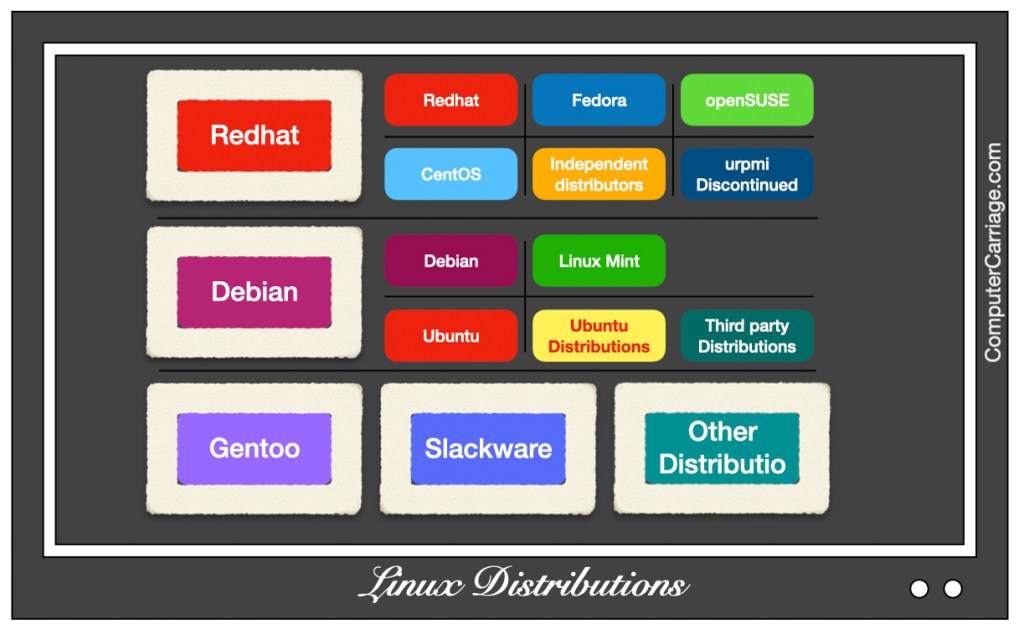
Linux is Open source software in earlier stages, It has been the most used operating system in the world, the Linux distributions are based on collection of software, based on the package manager the Linux distributions are available, both Open…
-
When users are reporting the servers are slow or facing issues in the connection, few commands that will make quick understanding about the system, The first and for most is doing the connectivity check from the local machine(laptop or desktop),…

-
TThere are several of methods to migrate from old to new storage, in this section we are going to migrate using pvmove for the migration, we use pvmove in physical server storage migration. Step-byStep Storage Migration using LVM is the…

-
lsblk command list all available device or a block devices. Also read the sysfs filesystem and udev db togather information. Expect RAM disks prints in tree format. lsblk –help will show list of options that can be used. by default…

 ComputerCarriage